0975 721 441
 info@ailogisticsvn.com


Vietnam's Logistics on the Threshold of a $280 Billion "Mega-Industry": The Infrastructure Riddle and the Role of "Leading Cranes"
Linh Linh | Feb 09, 2026 - 09:11 AM | Enterprises
Forecasted to reach a scale of $280 billion by 2035, Vietnam's logistics sector stands before a historic opportunity to transform from a supporting service into a "Mega-Industry." However, to realize the ambition of entering the global Top 20, this service industry still needs to resolve bottlenecks regarding infrastructure synchronicity and requires substantive leadership from "leading crane" enterprises.
Throughout more than three decades of innovation (Doi Moi), Vietnam has undergone a powerful transformation from a closed, low-income economy to one of the growth bright spots in the Asia-Pacific region. Nevertheless, logistics has primarily played a supporting role for production and exports.
According to Mr. Dao Trong Khoa – Chairman of the Vietnam Logistics Business Association (VLA), this position is rapidly changing as Vietnam's economic scale and trade turnover continuously hit new peaks. The Development Strategy for Vietnam's Logistics Services for the 2025–2035 period has also been issued, setting ambitious goals and completely repositioning the industry's role within the economic structure.

Mr. Dao Trong Khoa cited that in 2025, with a total import-export turnover reaching over $930 billion, Vietnam entered the Top 18–20 largest trading economies in the world. If current growth momentum is maintained, many forecasts suggest that Vietnam could reach the $1,000 billion mark in total import-export turnover as early as 2026.
Regarding the size of the economy, the nominal GDP in 2025 reached over $514 billion. The 2031–2035 period is widely agreed upon by international organizations as the time when Vietnam could surpass the $1,000 billion nominal GDP milestone. By 2035, total import-export turnover could reach $1,600–1,800 billion, rising into the global Top 15 and ranking No. 1 in ASEAN in trade. These figures confirm that Vietnam is entering a "new playground," requiring a commensurate logistics infrastructure – in terms of scale, quality, and level of international integration.
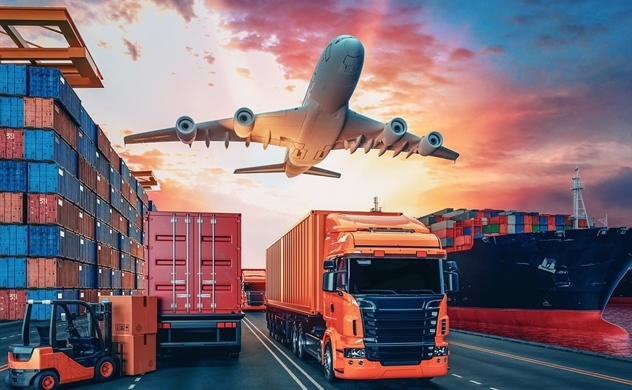
According to growth scenarios in the National Logistics Service Development Strategy, with a target growth rate of 12–15% per year, the total revenue scale of Vietnam's logistics market is expected to reach $250–280 billion by 2035, placing it in the Top 15–Top 20 largest logistics markets in the world.
By then, logistics will no longer be a mere "follower" service but will transform into a "mega-industry" holding a pivotal role in realizing Vietnam's goal of reaching the global Top 20 GDP. This "mega-industry" possesses the capacity to attract direct FDI into seaport infrastructure, automated warehousing, and large-scale distribution centers, carrying real weight in the resource allocation decisions and global networks of leading logistics corporations.
However, this growth picture still contains limitations regarding the actual capacity of domestic enterprises.
Reasons why logistics is becoming a “mega-industry”
-
Economic Core: Possessing a large revenue scale, serving as the bloodstream maintaining life for all trading activities.
-
Intrinsic Value: Shifting from manual labor to high knowledge content, helping the value-added ratio continuously increase through technology and optimization.
-
Spillover Power: Creating a resonance effect, directly driving breakthroughs in production, exports, and e-commerce.
-
Leadership Capacity: Becoming a magnet attracting capital and establishing strict operational standards, forcing the entire supply chain to upgrade to adapt.

Reality shows that although Vietnam has about 45,000 logistics enterprises, most operate dispersedly and on a small scale. The biggest bottleneck holding back the competitiveness of Vietnam's logistics, according to the VLA Chairman, is unstable operational costs due to congestion, lack of logistics land funds, lack of transit yards, and lack of multimodal connectivity.
This bottleneck makes it difficult for businesses to commit to long-term services with international partners. Goods may be unloaded quickly at the port but get stuck on roads or lack warehouses for storage and processing. Secondly, the scale of enterprises is still small and fragmented, creating many barriers to investing in technology and achieving international standards.
Additionally, there is a shortage of high-quality human resources and modern supply chain management capacity, especially in the context of digitalization and green logistics. And finally, there is increasing compliance pressure regarding environmental standards, data traceability, safety, and supply chain security – while logistics profit margins are already thin.
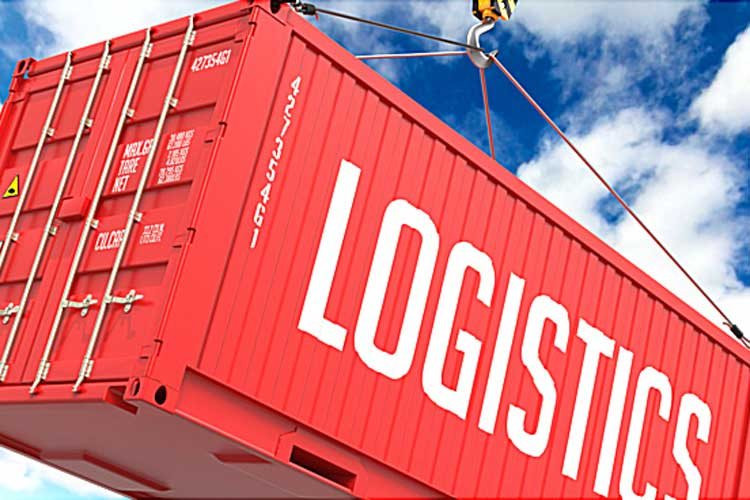
To solve the problem of cost and stability, transport infrastructure is the prerequisite factor. Assessing the current planning picture, the VLA Chairman noted that Vietnam has a fairly complete strategic infrastructure framework with two key groups of projects: The inter-regional connection system (North-South Expressway) helping to increase supply chain reliability; and international gateways (deep-water ports, Long Thanh airport) helping to raise Vietnam's position in the global network.
However, this expert warned that the biggest challenge lies not in the planning blueprints or new construction, but in the implementation and synchronicity.
"From a logistics perspective, we often emphasize three factors: connection – synchronicity – operation. If a port is very modern but the road, rail, ICD, and rear warehouse connections are not smooth, the overall logistics cost remains high. If individual projects perform well but lack regional coordination, data sharing, and common operational standards, the chain's efficiency still cannot be optimized," analyzed Mr. Khoa.
Therefore, the focus for the coming period must shift from "building more" to "optimizing exploitation," ensuring connectivity between transport modes to reduce intermediate costs and waiting times. “In the context where the State is promoting infrastructure investment and large enterprises are leading the market, this is truly a golden moment for logistics to take off. But to seize it, logistics enterprises – especially small and medium enterprises – need to actively restructure,” confirmed the VLA Chairman.

Given limited public resources, the participation of the private sector such as Vingroup, Sun Group, Masterise… in logistics infrastructure is becoming a positive signal. In particular, the emergence of "leading cranes" with strong financial and technological potential is opening a new direction: The socialization of logistics infrastructure, as in the case of Viettel Post.
According to Mr. Dao Trong Khoa, the strong participation of the private sector in logistics infrastructure is a noteworthy trend, reflecting long-term expectations for Vietnam's trade and production prospects. From a market perspective, this shift brings three main impacts.
Regarding resources, the private sector contributes additional investment capital, with the ability to speed up project implementation and reduce pressure on the state budget. Regarding efficiency, private investors often bring modern management capacity, technology applications, and international operational standards, thereby driving up service quality. Regarding competitiveness, the presence of diverse investors creates incentives for productivity competition and promotes innovative service models.
However, looking realistically, experts say that concerns about rising logistics costs are completely grounded, especially with infrastructure of a "natural monopoly" nature such as gateway ports, international airports, or vital transport routes. Without a strong enough regulatory and monitoring mechanism from authorities, the risk of infrastructure fees rising rapidly, putting direct pressure on the operating costs of user enterprises, is inevitable.
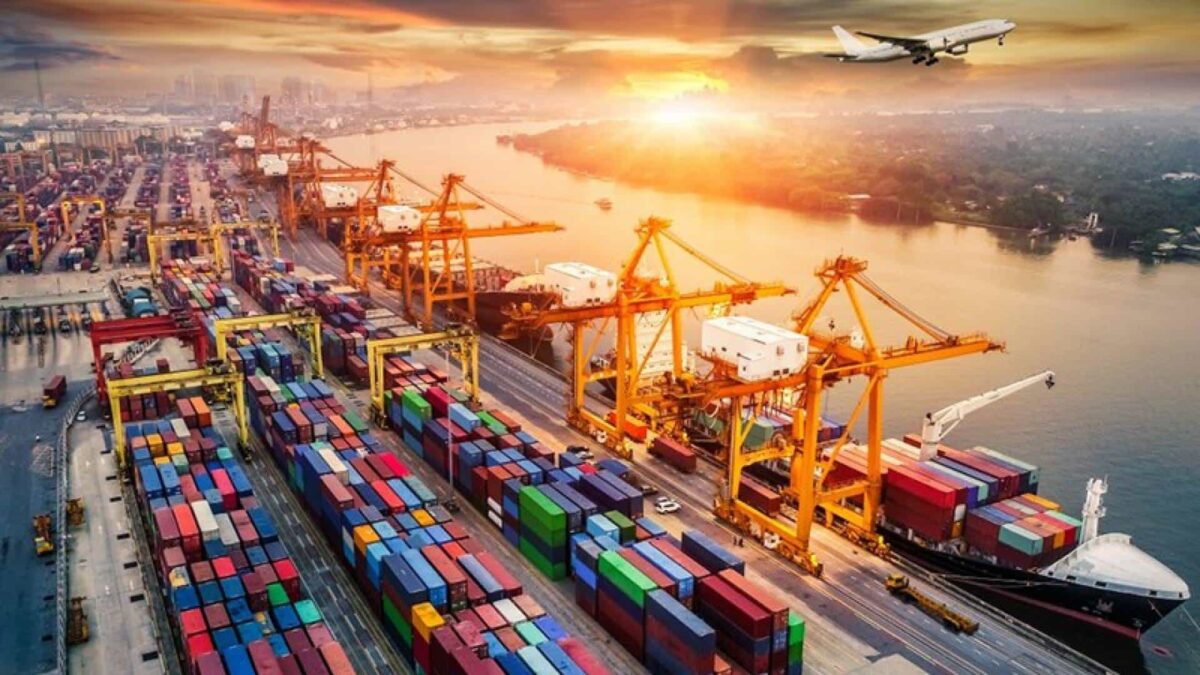
Regarding the logistics infrastructure investment and socialization model that Viettel Post is implementing – through building logistics parks, smart sorting centers, and connecting social resources (post office franchises, Smart Lockers, utilizing idle trucks and warehouses) – Mr. Dao Trong Khoa evaluated this as a direction worth observing.
According to the VLA Chairman, this approach reflects modern logistics trends: a combination of physical infrastructure, digital technology, and a partner ecosystem. Focusing on automation and technology platforms can help optimize productivity, reduce operational errors, and shorten order processing times – key factors in e-commerce and urban logistics.
From a market perspective, the positive point of the "socialization" model is the ability to create shared infrastructure. If operated in the right direction, it can support small and medium enterprises in accessing warehouse capacity and technology networks without needing large self-investment.
However, for such models to truly contribute to the common benefit of the ecosystem, the VLA Chairman noted three core issues. First, regarding neutrality and fairness, there needs to be a transparent mechanism on data exploitation rights and costs, avoiding conflicts of interest between the infrastructure management unit and service providers participating in the system. Second, the ability to interoperate, meaning the system needs standardized data to avoid becoming a "technology island," ensuring smooth connection with logistics enterprises, ports, customs, and e-commerce platforms. Third, compatibility with planning. Infrastructure must be closely linked with regional logistics planning and the national transport network to truly become a link in the regional and international supply chain.
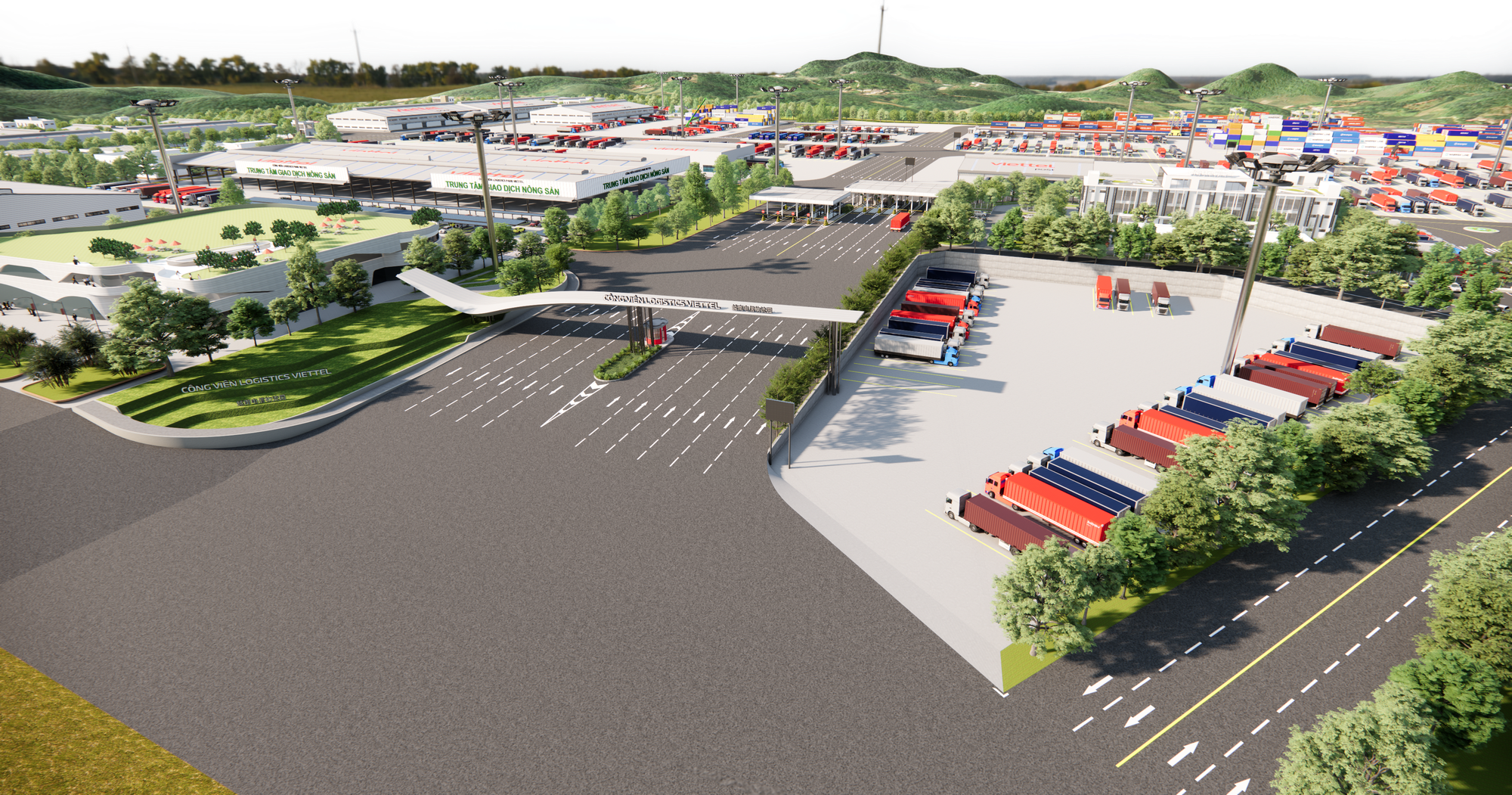
Facing the opportunity to become a "mega-industry," the mindset of Vietnamese logistics enterprises must also change. The era of competing with low prices is passing, giving way to competition through quality and sustainable development.
Mr. Dao Trong Khoa emphasized the message: "Green is not a cost, but a passport for Vietnamese logistics to enter the most demanding markets."
To take advantage of this opportunity, VLA recommends the business community focus on 4 practical solutions: Specialization to avoid overstretching; strengthening links to create scale; substantive investment in digitalization; and approaching green logistics from small things like route optimization and reducing empty runs.
The VLA Chairman concluded: “Vietnam's logistics is entering a pivotal stage with resonance from three major drivers: rapid infrastructure investment, strong participation of the private sector, and the wave of global supply chain restructuring. This is a rare opportunity for us to reposition ourselves on the world economic map. However, the opportunity will only truly become a competitive advantage when we strongly transform our mindset: from 'building more' to 'operating well', and from 'each for themselves' to linking on common standards.”
Source: vietnamnet.vn