 0975 721 441
 info@ailogisticsvn.com


In terms of international trade, China is Vietnam's largest import market and the source of its largest trade deficit. This presents both challenges and opportunities for the Vietnamese economy in balancing its trade balance and achieving sustainable development.
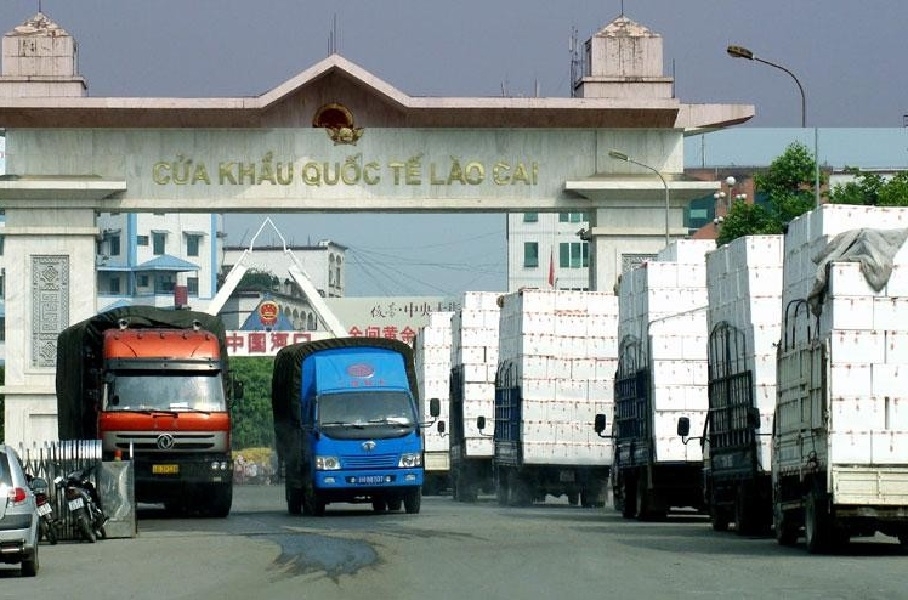
In the context of globalization and international economic integration, China has been asserting its position as one of Vietnam's most important trading partners. With imports from China reaching US$186 billion in 2025, a 29% increase compared to the previous year, China is not only Vietnam's largest import market but also its largest source of trade deficit.
THE LARGEST IMPORT MARKET, WITH THE LARGEST TRADE IN EXCESS INVESTMENT
Importing goods from China has several notable characteristics.
Firstly, Vietnam's imports of goods from China have consistently maintained high growth rates, surpassing milestones such as US$20 billion in 2010, US$50 billion in 2016, US$100 billion in 2021, and reaching US$150 billion by 2025. In 2025, imports will be over 9.2 times higher than in 2010, nearly 3.8 times higher than in 2015, and over 2.2 times higher than in 2020. In the first quarter of 2026, imports of goods from China increased by 31.6% compared to the same period in 2025, and it is projected that imports for the whole year of 2026 will exceed US$200 billion.
Secondly, imports from China are the largest among Vietnam's import markets, with imports from China accounting for the largest share of Vietnam's total import value (Chart 2).
The proportion of imports from China in Vietnam's total merchandise import value has been increasing almost continuously over the years; the first quarter of 2026 was also higher than the first quarter of 2025, and it is likely that the figure for the whole year of 2026 will continue to be above 40%.
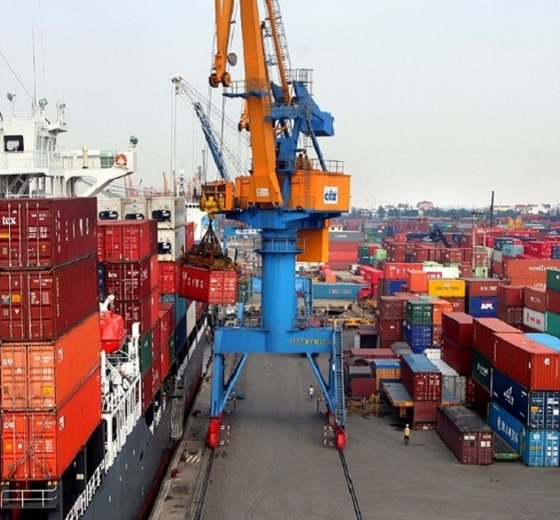
Thirdly, by item, imports from China in Q1 2026 showed some noteworthy points: out of 44 main items, 36 increased. Fourteen items saw significant increases (over $100 million): petroleum products, chemicals, chemical products, plastics, plastic products, precious stones, precious metals and products, iron and steel products, other base metals, products from other base metals, computers, electronic products and components, household appliances and components, machinery, equipment and other spare parts, complete automobiles, and automobile parts and components.
In the first quarter of 2026, 25 out of 44 key product categories exceeded $100 million (and served as a foundation for achieving over $1 billion for the whole year), including 11 product categories that exceeded $1 billion (Chart 3).
Fourth, the scale and proportion of Vietnamese goods imported from China is much higher than the proportion of Vietnamese goods exported to China (US$50.1 billion in Q1 2026 compared to US$16.85 billion).
Accordingly, the trade deficit with China is the largest, far exceeding that of second-largest markets and below, and has been increasing almost continuously over the years. Specifically: the trade deficit with China in 2020 was $84.19 billion, in 2021 it was $109.87 billion, in 2022: $117.87 billion, in 2023: $110.64 billion, in 2024: $144.2 billion, in 2025: $186.03 billion, and in Q1/2026: $33.26 billion - a continued increase compared to the same period of the previous year (Q1/2025 trade deficit was $24.74 billion) and provides a basis for forecasting that the deficit for the whole year of 2026 may not be larger than that of 2025, but will still be higher than the years from 2024 onwards.
Fifth , Vietnam's status and position in its trade relations with China can be explained by several factors. The difference in purchasing power parity, where China's exchange rate is lower than Vietnam's, has facilitated large-scale exports of Vietnamese goods to China, making it the second largest trading market for Vietnam.
Vietnam's larger exchange rate differential compared to China's also facilitates Vietnamese exports to China, making it the second largest market in China. Specifically, Vietnamese exports to China over the past years are shown in Chart 4.
Another important point is that the average exchange rate (yuan/USD) in 2019 was 6.91, in 2020 was 6.90, in 2021 was 6.45, in 2022 was 6.74, and in 2024 was 7.08 - meaning there have been several years of decline to avoid suspicion of currency manipulation.
In terms of geopolitics, Vietnam is very close to China, has a long-standing traditional relationship with China, has an early comprehensive strategic relationship with China, and has developed border trade...
SOME ISSUES NEED TO BE RESOLVED
The biggest and most general issue is to rapidly reduce the trade deficit with China by rapidly increasing exports and rapidly decreasing imports from China.
Increase exports rapidly and decrease imports rapidly through various solutions.
Exploiting the greater advantage of Vietnam's purchasing power parity exchange rate and current exchange rate compared to China—meaning Vietnamese goods are cheaper than Chinese goods—to increase exports to China and reduce imports from that country.
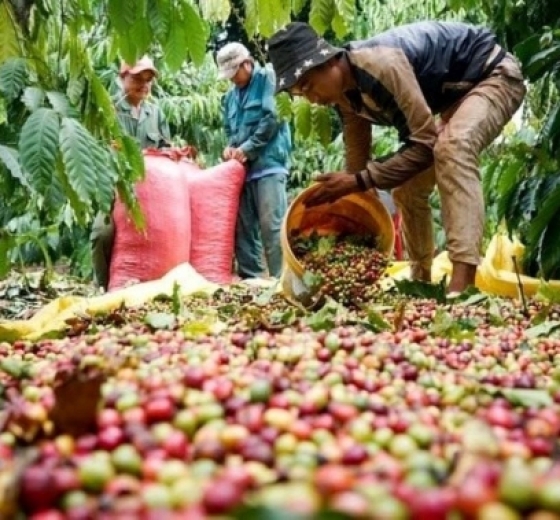
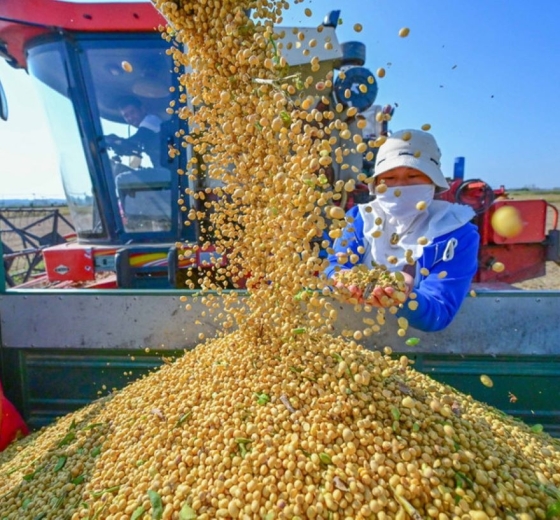
While the share of agriculture, forestry, and fisheries in China's GDP has fallen to only 7.1%, industry and construction to 38.3%, and services to 54.6%, Vietnam needs to leverage its strengths in agriculture, forestry, and fisheries, not only in terms of production volume and quality, but also by increasing processing to enhance value, in order to export to a market of over 1.4 billion people, with a higher urban population ratio (64.6% compared to 38.1%), and where agricultural land and the production of many key agricultural products have decreased...
Source: vneconomy.vn